「Pearl of IndiaSri Lanka, often referred to as the 'Emerald Isle', is a hidden gem of a tourist destination in Asia and a secret favourite spot.
When travelling around Sri Lanka, which is packed with attractions such as the popular Sigiriya Rock and other World Heritage Sites, as well as sacred Buddhist sites, what sort of clothing is best to wear?
This time, we explain what to wear on a trip to Sri Lanka, often thought of as a year-round tropical destination, including seasonal considerations and religious points to bear in mind.
Sri Lanka enjoys a year-round tropical climate! It varies slightly depending on the location.
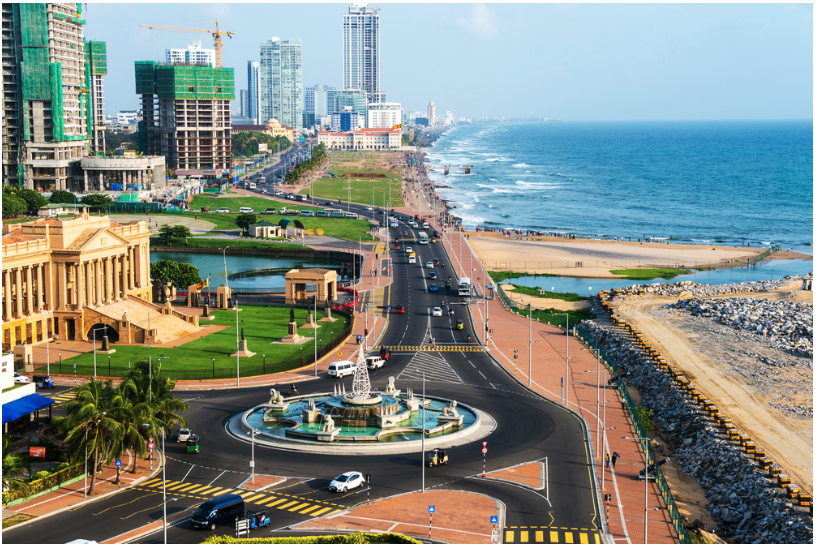
Sri Lanka, often associated with a perpetual summer climate, is situated in the tropics.It is strongly influenced by seasonal winds (monsoons) and belongs to a tropical climate characterised by high temperatures and humidity.
That said, while it was humid, it was not as humid as a Japanese summer. Although the midday sun was intense, it was a relatively comfortable environment.
The south-west, home to the capital Colombo and the ancient city of Kandy, and the north-east, featuring the popular surfing spot of Alham Bay and Jaffna, where many Tamils reside,The climate varies slightly from region to region.
Here, we introduce the climate of two regions.
Climate of the North and East
In the northeast, there is Alham Bay, popular with surfers, and Trincomalee, the northernmost point which is also a centre of Tamil culture.
October to March is the rainy season, May to September is the dry season.However, compared to the south-west where Colombo is located, rainfall is lower,It is characterised by being relatively dry.
The average temperature is high, approaching 30°C.However, compared to the south-west, there is a noticeable temperature difference, so even at the beach, evenings can feel rather chilly.
When travelling, it's reassuring to have something to put on.
Precipitation increases from October onwards.
Mid-season climate at high elevations in the central region
Places such as Kandy (1,000 metres above sea level) and Nuwara Eliya (2,000 metres above sea level) enjoy a cool climate.
Moreover, the evenings are characterised by a distinctly chilly climate, setting it apart from other regions.
In Nuwara Eliya in particular, many hotels now provide heaters rather than air conditioning at night.
Climate of the South and West
In the south-west lies Colombo, the capital of Sri Lanka, and the last dynasty of Sri Lanka,Sinhala DynastyCandy, which was the capital of the kingdom, is one such place.
The rainy season occurs twice, from April to June and from October to November, with the dry season lasting from December to March.
The average temperature in Colombo is approximately 27°C, but in the highland regions such as Nuwara Eliya, famous for Ceylon tea, the average temperature is around 16°C, showing a significant difference.
Candy is,It can be said to be pleasant throughout the year.
During the rainy season, monsoon influences bring several heavy downpours each day, with the heaviest rainfall occurring around October to November.
Seasonal Guide: Ideal Attire for Travelling to Sri Lanka
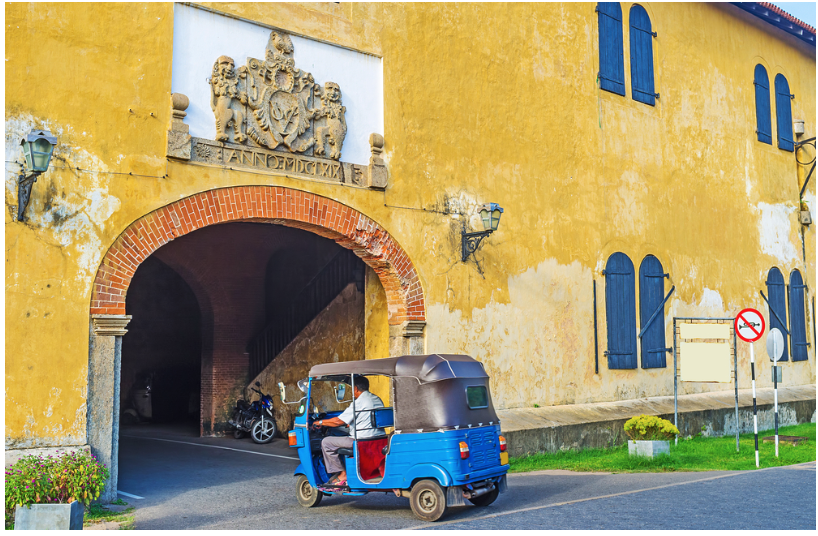
As there is little fluctuation in temperature throughout the year,You can travel in summer clothes at any time.
The rainy season does not involve continuous drizzle throughout the day like Japan's rainy season, but rather features tropical rainfall patterns such as concentrated downpours from the afternoon onwards, or sudden heavy showers.
Moreover, the dry season, which is also the best time to travel, has relatively low humidity and, even when temperatures are high, the air is dry and pleasant, making it comfortable to spend time there.
Japan has four distinct seasons, whereas Sri Lanka has only a rainy season and a dry season.
During the dry season, visiting the highland regions offers a climate reminiscent of autumn in Japan, butEssentially, it has summer-like temperatures all year round.。
Clothing for the rainy season (April to November)
The south-western region, including Colombo, is affected by the monsoon.We are hit by squalls several times a day.
The northeast receives less rainfall than the southwest, but squalls occur in both areas.
Moreover, in highland areas, temperatures can drop so low that fog settles and frost forms. So, what sort of clothing is recommended during the rainy season?
【Recommended Clothing for the Rainy Season: Women's Edition】
Generally, clothing similar to Japanese summer attire is recommended.
T-shirts, short-sleeved shirts, dresses, cotton trousers, etc.
Quick-drying fabrics that dry quickly even when wet, or linen garments, would be ideal.
Sandals that can get wet are recommended.
Additionally, depending on the location and time of day, it can sometimes feel a bit chilly, so it's wise to have a light jacket or shawl ready.
【Recommended Clothing for the Rainy Season: Men's Edition】
Men, too, generally wear similar attire to women, akin to Japanese summer clothing.
T-shirts, short-sleeved shirts and shorts are recommended.
As jeans take a long time to dry when wet, it would be best to wear trousers made from a quick-drying material.
For footwear, we recommend sandals or similar that can get wet.
Do keep a light hoodie or similar handy in case it turns a bit chilly.
Rain gear such as raincoats and umbrellas is essential for both men and women.
Clothing for the dry season (December to March)
The midday sun feels strong, but the humidity is lower than during the rainy season, making it relatively comfortable; indeed, mornings and evenings feel refreshing.
The highland areas such as Candy enjoy a spring-like climate, though mornings and evenings can feel rather chilly.
The north-east and coastal areas are also hot with intense ultraviolet rays, so sun protection items are essential.
So, what sort of clothing should one wear during the dry season?
【Recommended Clothing for the Dry Season: Women's Edition】
When it comes to ventilation, it is generally best to imagine a Japanese summer.
T-shirts, short-sleeved shirts, dresses, jeans, and cotton trousers are recommended.
Mornings and evenings can turn chilly, so it's reassuring to have a hoodie or shawl to hand.
For footwear, comfortable trainers or sandals are best. As the sun is strong, do remember to bring a hat, sunglasses, or a parasol.
【Recommended clothing for the dry season: Men's edition】
Gentlemen should also prepare their Japanese summer attire.
T-shirts, short-sleeved shirts, jeans, cotton trousers, and shorts.
Depending on the location, there may be significant temperature variations throughout the day, so be sure to adjust by wearing something like a parka or similar outer layer.
Other items required include comfortable trainers or sandals, a hat to protect against strong sunlight, and sunglasses.
There are also points to note regarding clothing in Sri Lanka.
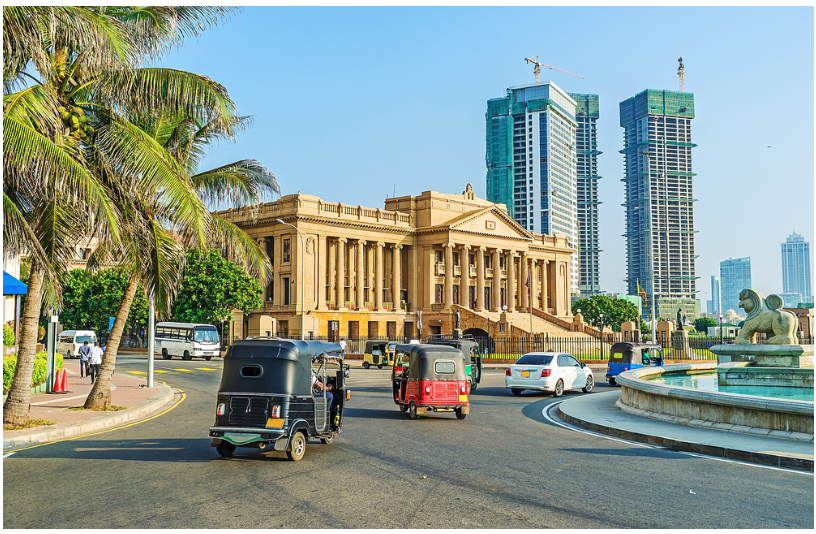
Although Sri Lanka can be enjoyed in summer clothing for most of the year, it is not always possible to get by solely in casual attire such as short-sleeved tops and shorts.
In luxury hotels and restaurants,There may be a dress code.
Furthermore, in Sri LankaOne may sometimes discern a person's status by their attire.
Depending on the situation and the place you visit, you must pay attention to your attire.
Wear a light jacket to combat the air conditioning
Hotels, guesthouses, and department stores frequented by Westerners can sometimes be excessively air-conditioned.
It would be advisable to have a light jacket or shawl ready.
Moreover, if you opt for a jacket or shawl with UV protection, it also helps guard against sunburn, so it's killing two birds with one stone.
Your feet can get surprisingly cold, so it's reassuring to have long trousers and socks.
Column: Air conditioning on planes is stronger than you might expect
Travel is not confined to Sri Lanka alone.
You must take sufficient care even on the flight from Japan to Sri Lanka.
The author travelled to and from Japan and Sri Lanka via Shanghai on China Eastern Airlines.
The aeroplane was extremely cold, and had I boarded in a T-shirt and shorts, I'd certainly have caught a cold.
As the author, I found UNIQLO's Ultra Light Down to be highly practical in every respect and would recommend it.
It wasn't bulky, yet it proved suitable for use on the aeroplane, in Nuwara Eliya, and even in the rain described below.
Let's be prepared for sudden rain
Sri Lanka is affected by the northeast monsoon and the southwest monsoon.The rainy season continues for a long time.
Given the lengthy rainy season, be prepared to get caught in the rain somewhere during your travels.
The manner in which the rain falls,The weather is prone to sudden changes due to tropical downpours, but these showers typically do not persist for long and tend to cease after a short while.
Therefore, even during the rainy season, sightseeing is possible with a raincoat or umbrella.
Even during the dry season, it does not mean that there is absolutely no rain, so when travelling to Sri Lanka, do not forget to pack your rain gear.
Please refrain from revealing too much skin at religious sites.
As approximately 70% of Sri Lanka's population are devout Buddhists, care must be taken with one's attire.
When visiting sacred places such as Buddhist temples, it is important to avoid revealing too much skin.
Women in particular should avoid wearing clothing that exposes a lot of skin, such as sleeveless tops or shorts, simply because it is hot.
Visitors wearing revealing clothing may be stopped at the entrance and required to purchase items such as scarves.
When wearing revealing clothing, it's reassuring to have a shawl or cardigan ready.
At religious facilities such as temples, both women and men may be asked to wear something akin to a wrap skirt.
If you know you will be visiting a temple, please endeavour to wear long trousers or a skirt that reaches the knees.
I shall also remove my hat and sunglasses.
Furthermore,At most temples, you must remove your shoes before entering, but the ground becomes hot in the sun. It is advisable to bring socks with you.
In high-altitude areas, long sleeves are also necessary.
「World's Endknown as sheer cliffs orSacred FootprintsThe Central Highlands, home to natural heritage sites such as the '...', are popular as trekking areas.
Moreover, Nuwara Eliya, situated on the southern side of the Central Highlands, isLittle EnglandIt is known as the 'Tea Lover's Paradise', a place every tea enthusiast should visit at least once.
Even in ever-summery Sri Lanka, these highlands boast an annual average temperature of just 16°C, making warm clothing essential.
However, as the temperature can rise sharply once the sun is up, it is advisable to wear layers that can be adjusted.
Summary
Sri Lanka, with its year-round tropical climate, generally requires summer clothing, though some locations may necessitate warm clothing.
Furthermore, at religious sites and similar places, it is important to be mindful of the occasion and to dress appropriately, such as by avoiding revealing clothing.
When unsure what to wear, we recommend checking the weather forecast and travel blogs by people who have visited Sri Lanka beforehand.
Enjoy your trip to Sri Lanka in the clothes you brought with you.