
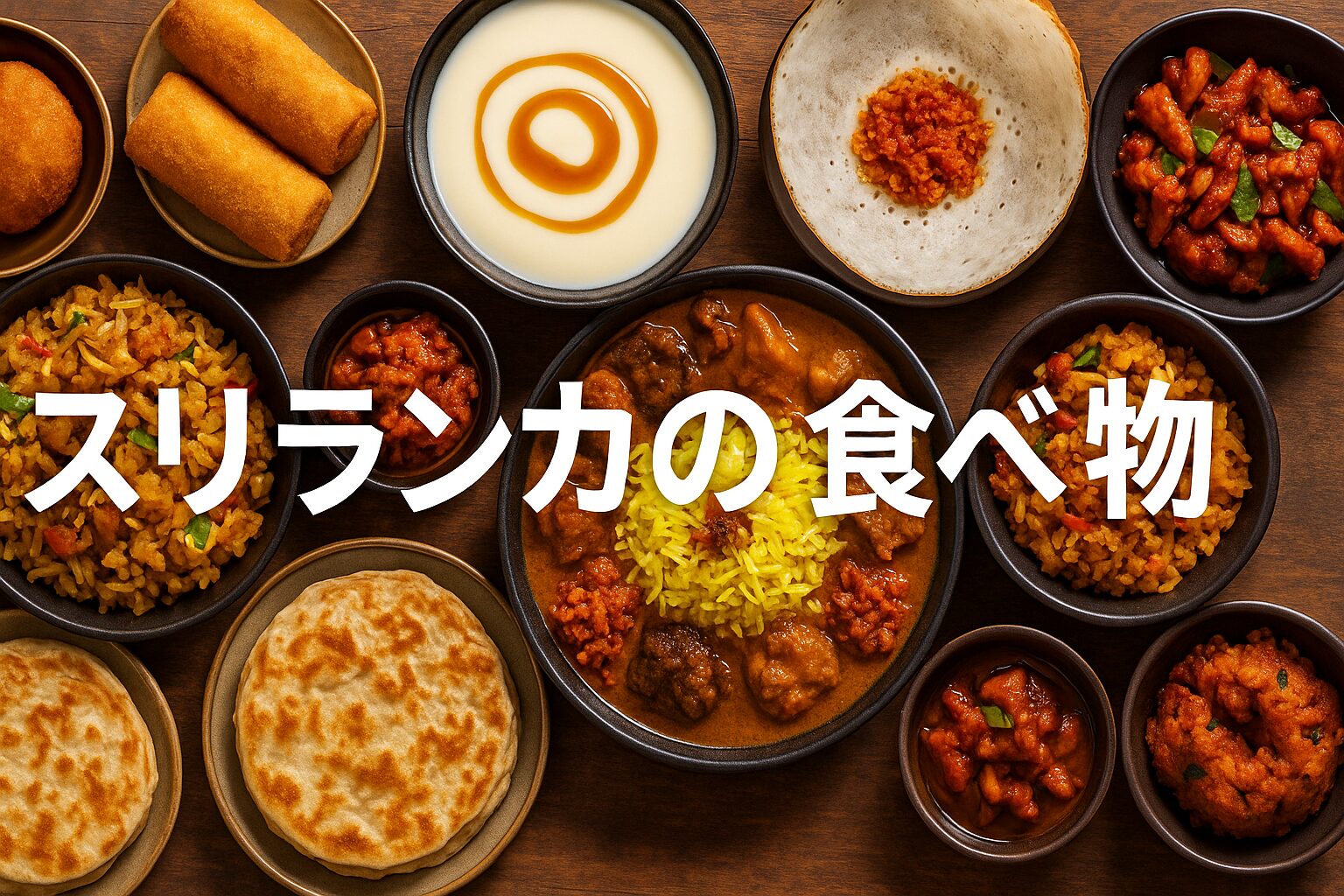
The island nation of Sri Lanka in South Asia boasts a wealth of delicious foods, including colourful curries and distinctive street food.
This article introduces the characteristics of Sri Lankan cuisine and its classic popular dishes for Japanese tourists.
From coconut-infused healthy curries to the street stall favourite 'kottu roti', we explore the full spectrum of Sri Lanka's exquisite culinary delights.
Do check this before your trip to make the most of your dining experience while you're there.
- Characteristics of Sri Lankan Cuisine
- Sri Lanka's Classic Dishes & Street Food
- Rice & Curry – Sri Lanka's national dish
- Hopper & String Hopper (Hopper / Appa & Indiappa) – Classic breakfast pancakes
- Roti (Godanbari & Porori) – Thin flatbread for easy eating
- Kottu Roti – The No.1 Street Stall Favourite Stir-fry
- Biriyani – A Festive Spiced Rice Dish
- Sri Lankan Light Snacks and Appetisers (Short Eats)
- Sri Lankan Desserts & Beverages
- Summary
Characteristics of Sri Lankan Cuisine
Sri Lankan cuisine may appear similar to Indian cuisine at first glance, but it actually possesses many unique characteristics.
The key point isThe extensive use of coconutis.
In Sri Lanka, coconuts are so commonplace that approximately 20% of the land is devoted to coconut cultivation, and coconut milk and coconut oil are used liberally in cooking.
Consequently, this imparts a mellow richness to the curry, making it more complex than Indian curry.Mild seasoningThere is a tendency for this to occur.
On the other hand, it is generously seasoned with chilli peppers and spices, offering a flavour that is irresistible to those who enjoy spicy food.
Furthermore,Enjoy several curries at onceThis is a delight unique to Sri Lankan cuisine.
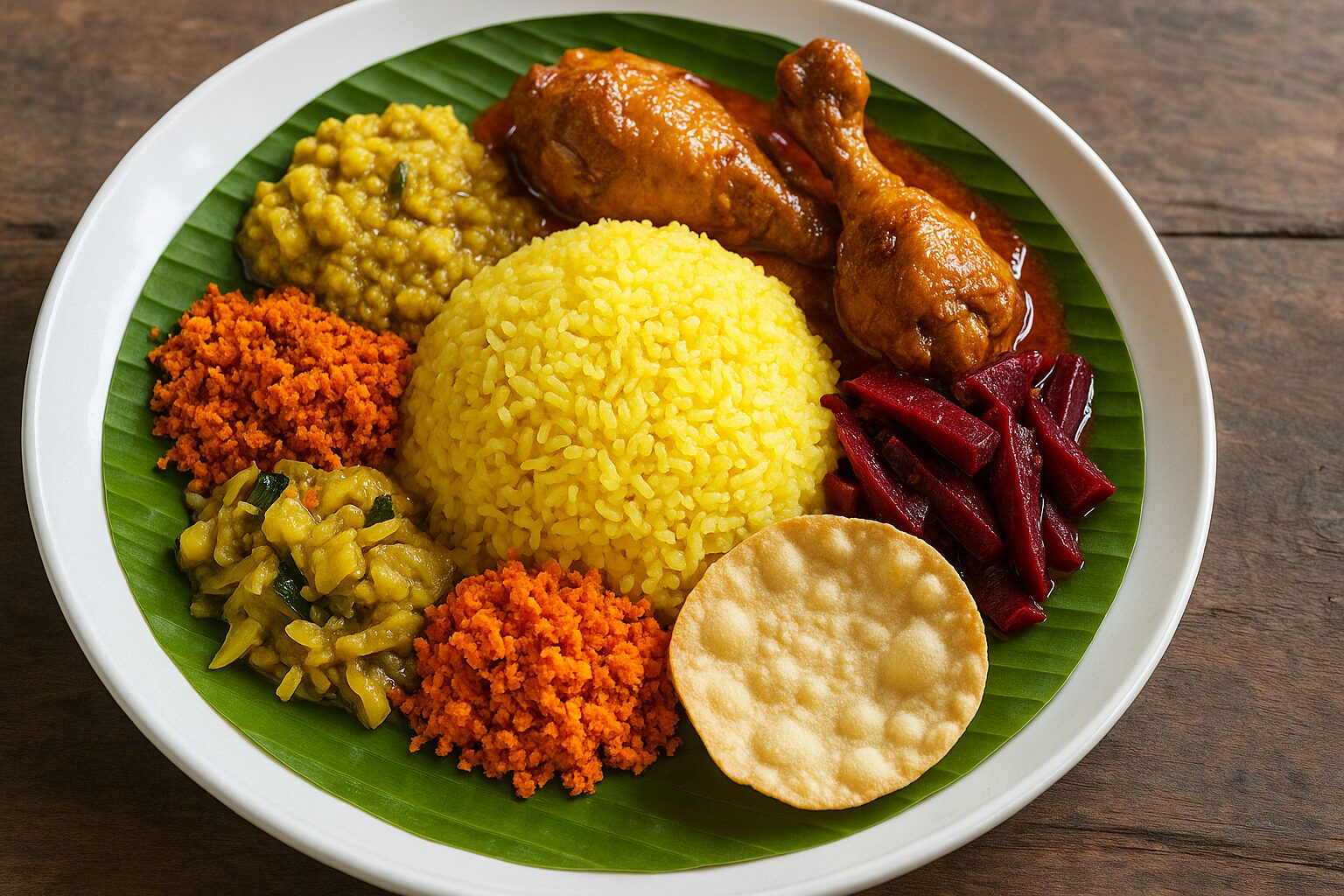
Rather than pouring a single type of roux over it, as with Japanese curry rice,Arrange several types of curry and side dishes in small portions on a single plate, then mix them with rice as you eat.This is generally the case.
For example, with the classic 'rice and curry', various curries such as beans, meat, fish, and vegetables are arranged around the rice, and you mix them together to eat.
The appeal lies in being able to enjoy various flavours and textures all at once, making it possible to eat without growing weary.
Furthermore,SeafoodThere is also a wide variety of dishes made using [ingredient].
In the island nation of Sri Lanka, situated in the Indian Ocean, fresh fish, prawns and crab are readily available, making fish curry and seafood curry popular dishes.
The use of dried bonito flakes, known as 'Maldive fish', in the broth demonstrates an effort to suit Japanese tastes.
Other spices include cinnamon, cloves, turmeric, and curry leaves.aromatic spicesCombining them for use is also a feature.
It creates a profound flavour that becomes addictive once tasted.
As for food culture,Eat with your handsBear in mind that there are customs to observe. The locals mix their rice and side dishes with the fingertips of their right hand, deftly bringing the mixture to their mouths as they eat.
Whilst tourists may eat with spoons and forks without issue, do try eating with your hands in the local style if you get the chance.
What's the difference from Indian cuisine? (Trivia)
Sri Lankan cuisine is often perceived as being similar to Indian cuisine, but as mentioned above,High coconut milk content for a mild flavoursuch things,A curry with a generous amount of sauce and a refreshing flavourThe main differences include the greater frequency of such occurrences.
As for staple foods, while wheat-based naan and roti are predominant in northern India, in Sri LankaRice is the stapleAdditionally, noodles made from rice flour (the string hoppers mentioned later) and thin wheat flour flatbreads (rotis) are also commonly eaten.
Due to its geography as an island nationUse of seafoodAnother difference is the prevalence of rice-based dishes. Meanwhile, many dishes originating from South India are also enjoyed, such as dosas (made from fermented batter, discussed later) and idlis (steamed rice cakes), which are popular in certain regions. Sri Lanka's culinary culture, which shares similarities with India yet also has its distinct differences, is well worth experiencing firsthand to appreciate these variations.
Sri Lanka's Classic Dishes & Street Food
Here we introduce classic dishes and popular gourmet options you simply must try when visiting Sri Lanka, categorised by type.
Sri Lanka'snational dishWe've selected a wide range of dishes, from curry dishes that could be called such, to light meals often eaten for breakfast, street food hugely popular at stalls, and even desserts.
Rice & Curry – Sri Lanka's national dish
Rice and Curry is a staple Sri Lankan dish consisting of rice served with a selection of curries.
It occupies the same position as Japanese curry rice, but its defining feature is undoubtedly the ability to enjoy various curries in a single dish.matter.
Rice is served with several types of curry—such as bean curry, chicken curry, fish curry, and vegetable curry—alongside side dishes arranged on or around it. You enjoy these by mixing them together in small amounts. A delightful aspect is being able to create your own preferred balance; for instance, mixing a spicy curry with a vegetable side dish mellowed its heat.
Rice and curry is basicallySpicy and healthy。
The menu features dishes rich in vegetables and pulses, and includes curries adapted with a mild spiciness based on Ayurvedic principles, making them gentle on the body.
For instance, nourishing side dishes such as 'Mallun' – a salad featuring a herb known as Gotu Kola – or 'Polsambol' – a dish with coconut flakes – may also be served.
Rice and curry, which allows you to enjoy a variety of side dishes at once, is a dish we highly recommend even for Japanese people experiencing Sri Lankan cuisine for the first time.
At local eateries, rice and curry may sometimes be served buffet-style.
Spoon out small portions of your favourite curries to create your very own 'rice and curry set meal'.
Hopper & String Hopper (Hopper / Appa & Indiappa) – Classic breakfast pancakes
Hopper (appā) and string hoppers (indappā) are representative breakfast dishes of Sri Lanka.
The hopper is a uniquely shaped bowl-shaped crêpe.It is a dish made by baking a fermented batter of rice flour and coconut milk in small round pans.
The centre is soft and steamed-bun-like, while the edges are thin and crispy like lace, creating a unique texture. Even on its own, it has a faintly sweet and savoury flavour.
Particularly popular among these isEgg HopperIt is made by dropping an egg into the batter midway through cooking to achieve a soft-boiled finish.
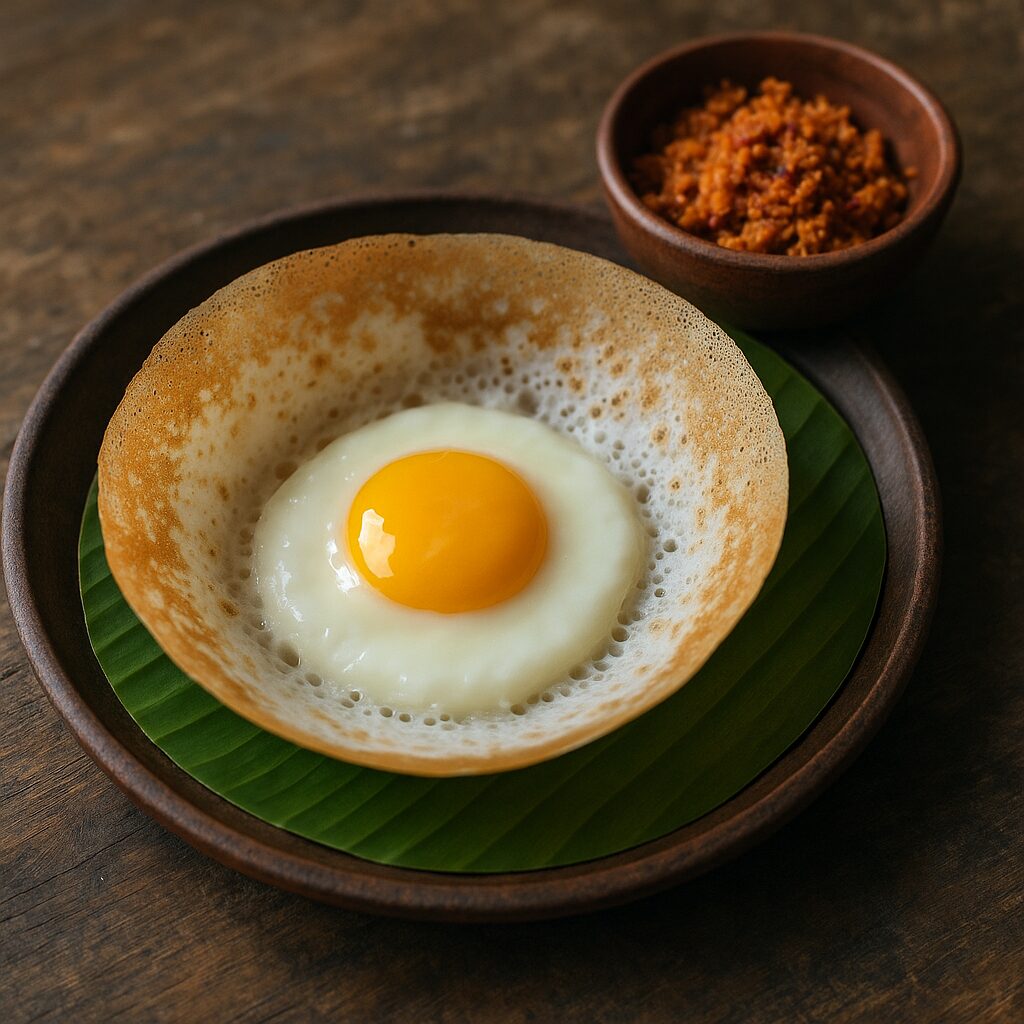
A breakfast staple, served with curry or sambol (chilli condiment) to taste. Its bowl-like shape is charming, and it's popular with female travellers as a photogenic dish.
On the other hand,Stringhopper (Indiapu) is made by extruding rice flour dough into noodle-like strands and steaming them into small round shapes.
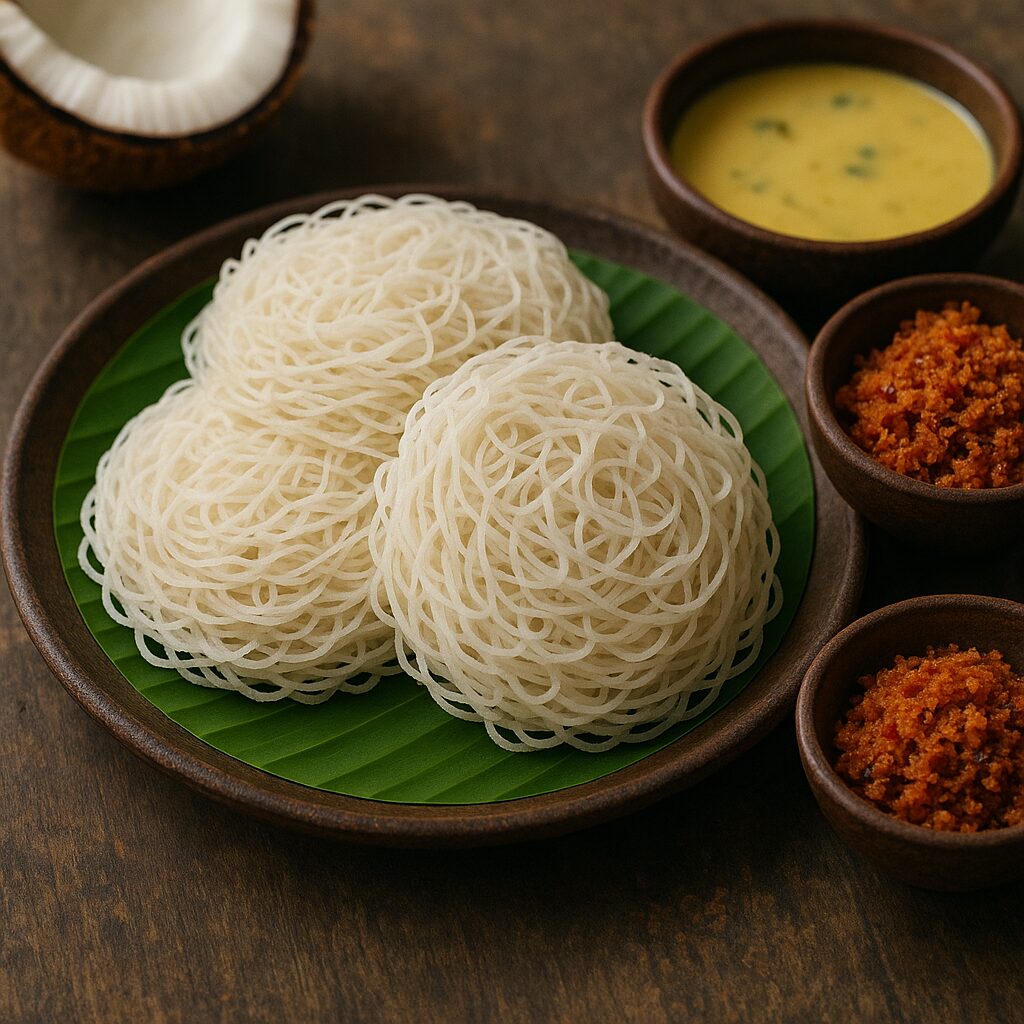
It looks just like round somen noodlesIt's a rather plain staple food, but it pairs exceptionally well with curry or coconut sambol.
It frequently features in breakfasts and light meals, and is often served at hotel buffets due to its easy digestibility.
You can enjoy unique ways of eating it, such as pouring a light, runny curry over the string hopper or dipping it into a small amount of soup to eat it like a noodle dish.
Roti (Godanbari & Porori) – Thin flatbread for easy eating
RotiRoti is a term referring to thinly baked bread in general, and in Sri Lanka it primarily denotes unleavened bread made from wheat flour dough baked on an iron griddle. While similar to Indian chapati, Sri Lankan roti hasOriginal arrangementThere are several. The most representative ones are:Godamba RotiとPôl RôtiThere are two types.
Godamba Rotiis, like crepe,Thinly rolled and baked rotiis.
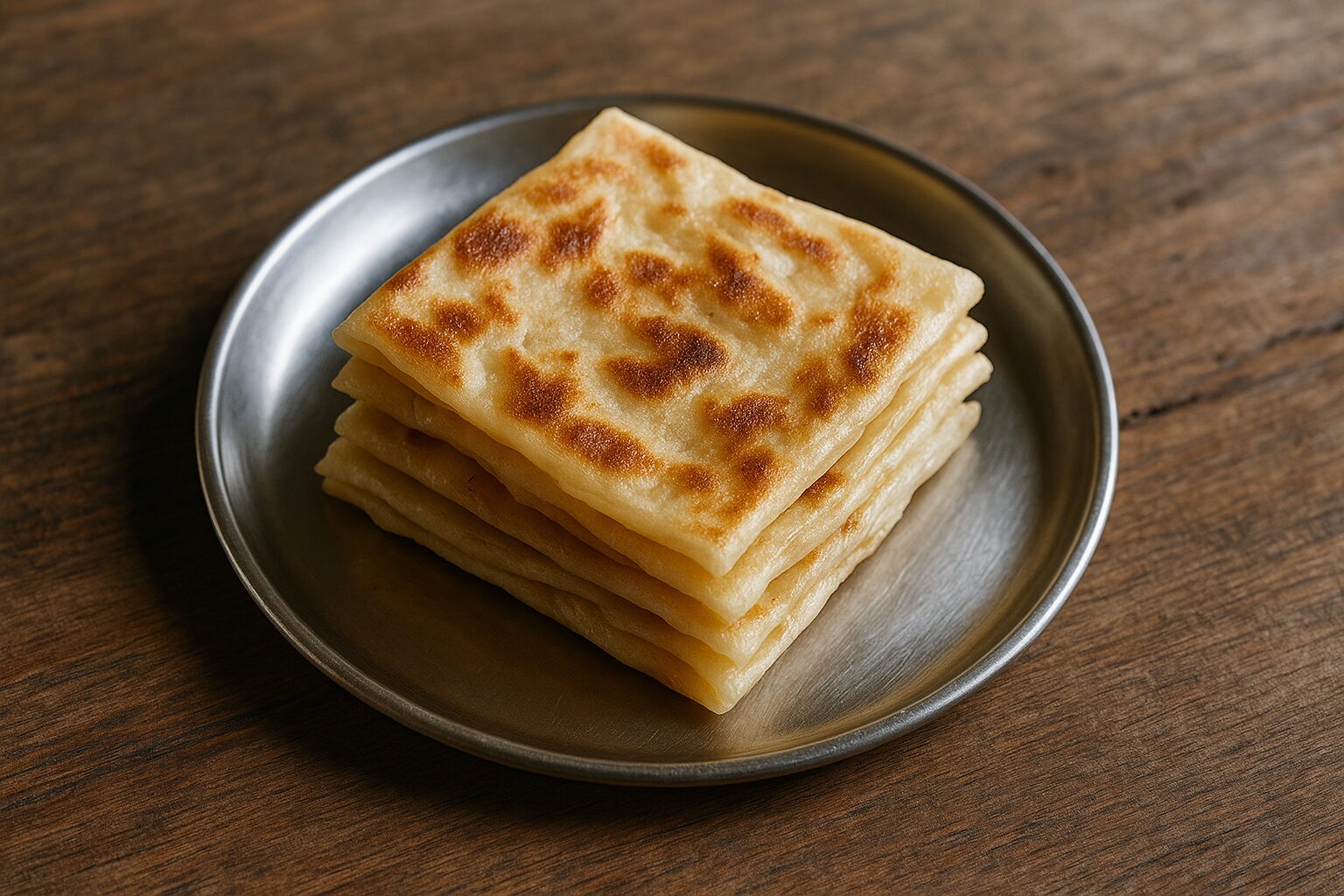
As well as eating it as a staple bread,Wrapped with filling inside, like a hot sandwichIts versatility is a key feature, as it can be used in various ways, such as being made into a paste or used as an ingredient in the aforementioned cotto.
At food stalls and eateries, roti rolls (rolls) are sold, made by wrapping fillings such as potatoes, carrots and minced meat, stir-fried with spices, in ghadamba roti.
Perfect for satisfying a nibble or light snack, as it can be eaten easily with one hand.
Additionally, some establishments serve freshly made gothanba roti alongside curry as an accompaniment, much like naan.
Thin yet delightfully chewy, it pairs perfectly with curry when scooped up to eat.
On the other hand,Pôl Rôtiis the fabricRoti baked with fresh grated coconut kneaded into the doughis.
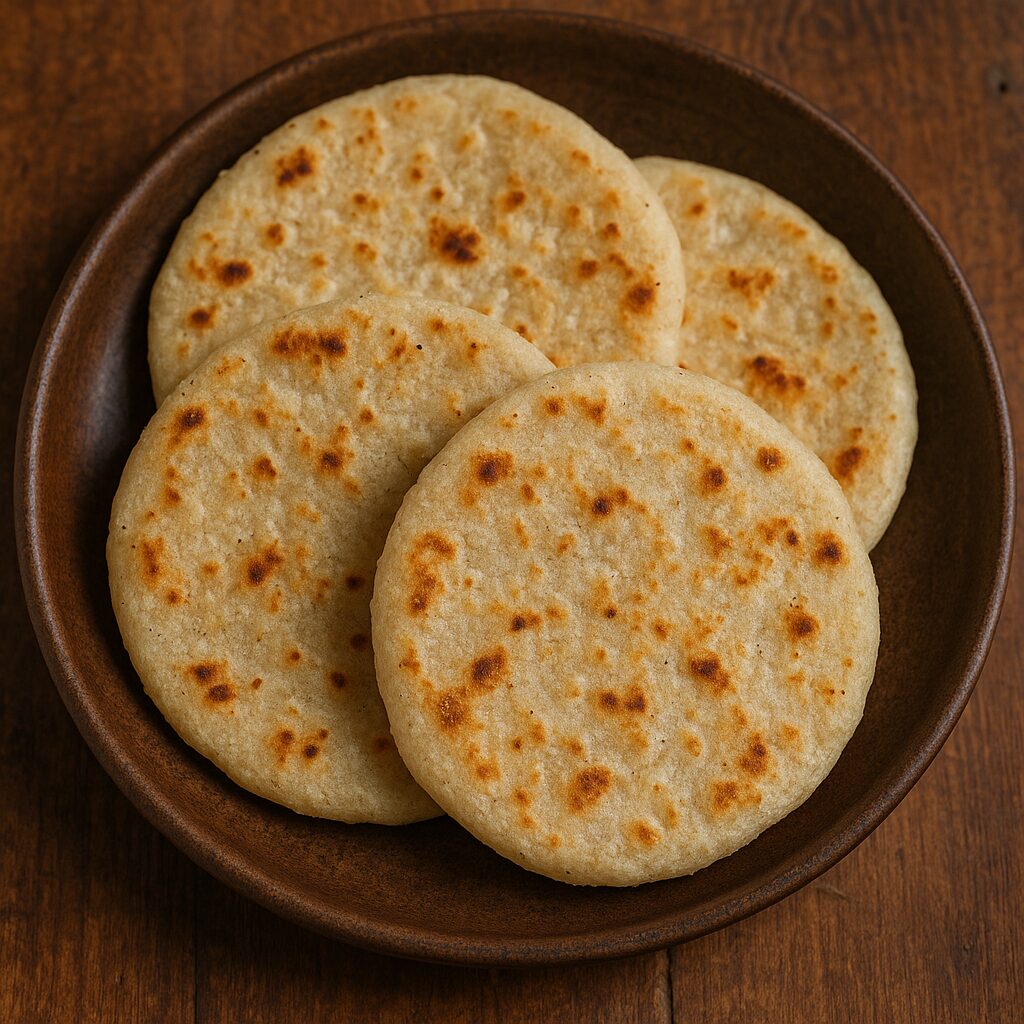
Slightly thicker than Godanba, this bread has a simple, gentle flavour.
A faintly sweet coconut aroma gently wafts through the air, offering a delicious flavour that remains satisfying even when eaten on its own.
It is commonly eaten for breakfast locally, served as a staple food with curry,black teaor have it as a snack instead.
Sizes range from bite-sized portions to those filling an entire plate, and variations exist where spices or fruit are mixed into the dough.
You'll find it quite similar to Japanese tropical-style pancakes.
Kottu Roti – The No.1 Street Stall Favourite Stir-fry
Cottu Rotiis a street food representative of Sri Lanka,The most popular dish at food stallsis.
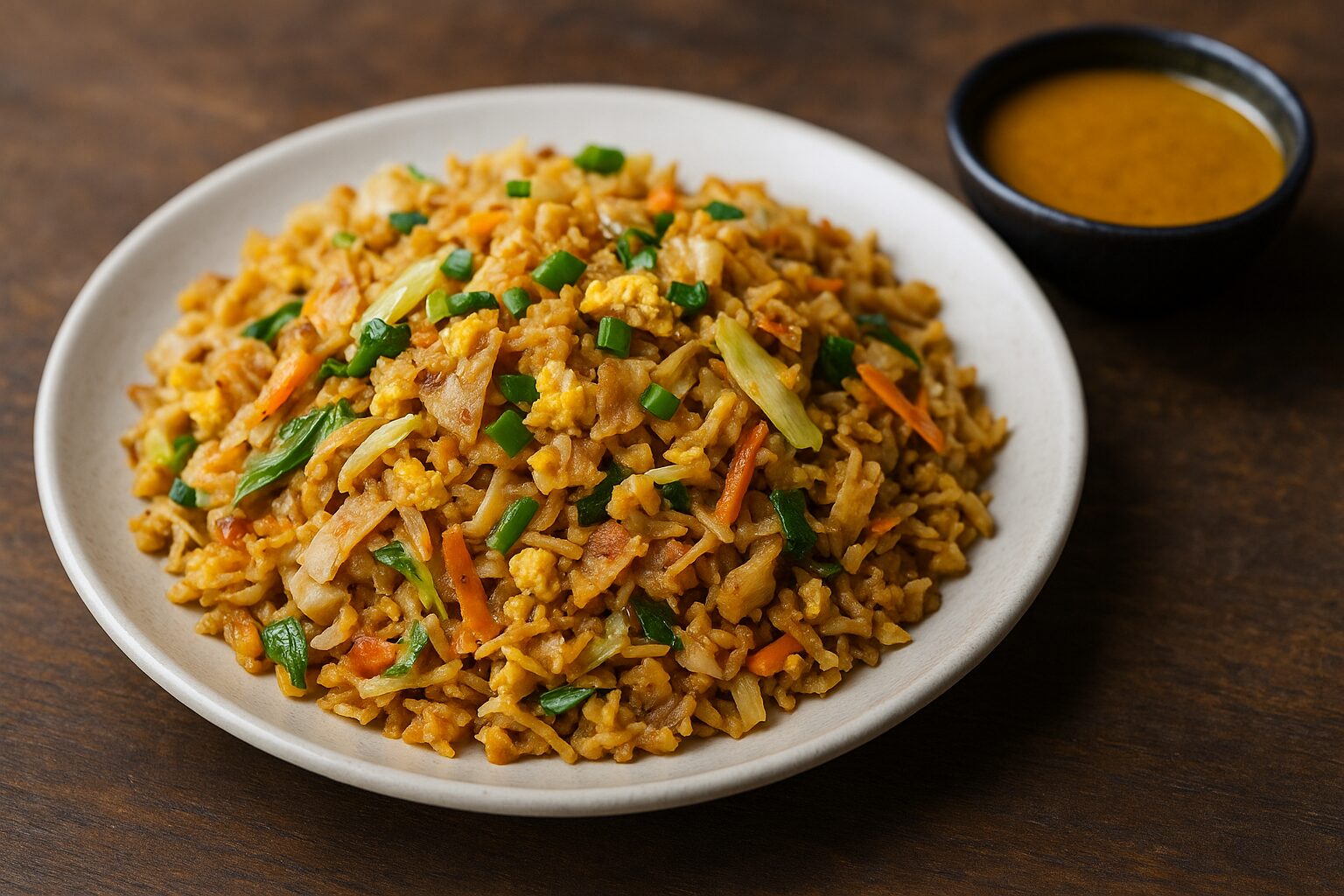
Plain goudamba roti (a thin, crepe-like flatbread made from wheat flour) is finely chopped and then vigorously stir-fried on a large griddle with vegetables, eggs, meat and other ingredients. The result looks remarkably like 'bread fried rice'. The bite-sized pieces of roti serve as a substitute for grains of rice, making it a thoroughly satisfying dish.
While cooking kotu at the food stall,The distinctive rhythmic clatter of chopping with a metal spatulaechoes through the night market.
This very sound of cooking is what makes kottu so distinctive, and there is even a theory that the name 'kottu' itself derives from the Sinhala word for 'the sound of mincing'.
The crisp, satisfying performance of the spatula work is a sight to behold, thrilling to watch and making you want to whip out your phone to film it.
The taste you're curious about is,A familiar flavour reminiscent of Japanese yakisoba and fried riceAnd it's popular with many Japanese travellers, who say it's "easy to eat!"
The dish is thoroughly stir-fried with spices, though the level of spiciness can be adjusted according to the restaurant's preference.
Chicken, beef, seafood and other ingredients are plentiful, including the rich 'Cheese Cotto' with cheese, offering endless variety.
Typically, when ordered, it is served heaped onto a plate, sometimes accompanied by a separate curry sauce (which makes it even more delicious when added!).
Sink your teeth into a piping hot kotu roti at a night market stall, mingling with local students and people on their way home from work, and you'll undoubtedly feel that quintessential Sri Lankan experience.
Biriyani – A Festive Spiced Rice Dish
BiryaniIt is a fragrant rice dish cooked with spices, meat and vegetables, and is often referred to as the 'king of takikomi gohan' due to its sumptuous nature.
This dish is familiar in India and the Middle East, but also in Sri Lanka.Traditional dishes of the Muslim communityhas become firmly established.
Especially at weddings and festivals, etc.served on special occasionsIt is a rather lavish meal.
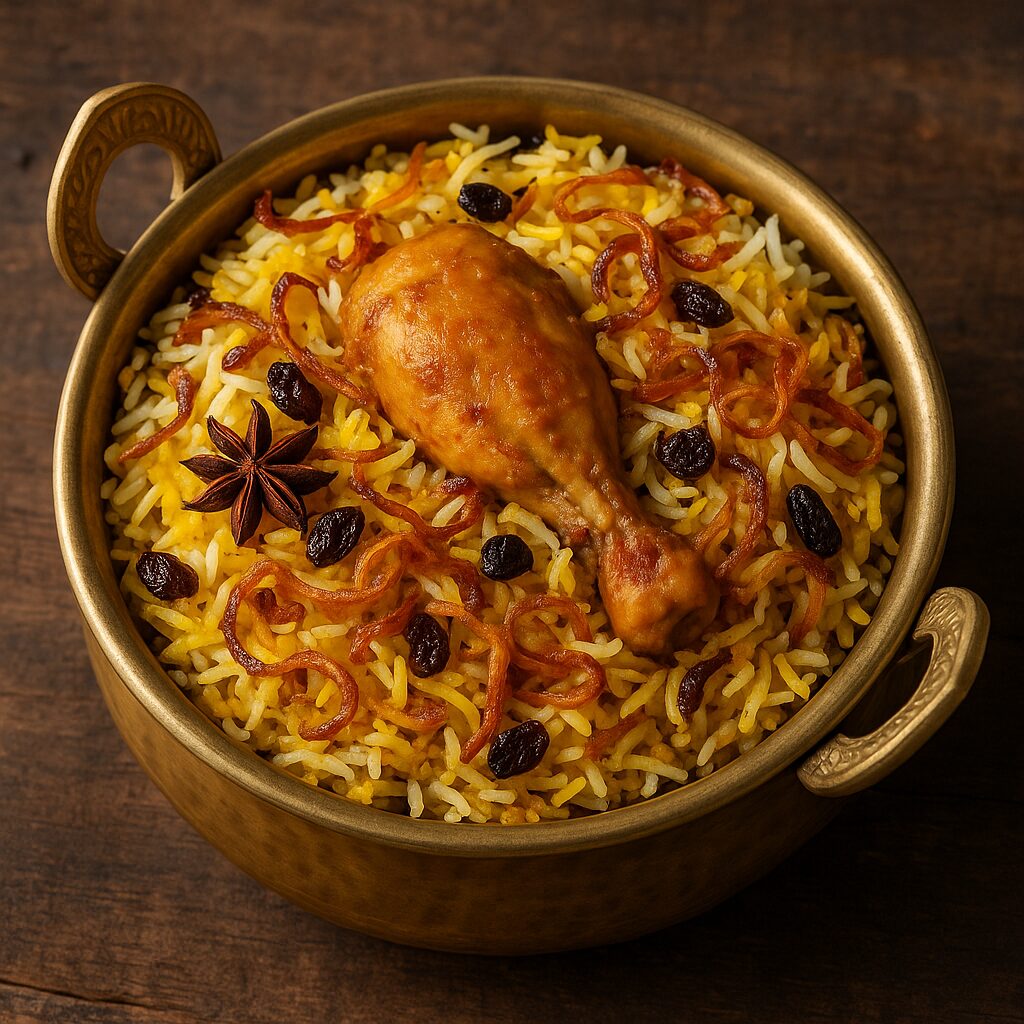
Biryani uses long-grain basmati rice, cooked together with numerous spices such as cumin, coriander, turmeric, cinnamon, cloves and cardamom, along with ingredients like meat, fish or prawns. The aroma of the spices permeates the entire rice, and with each bite, the deep flavour unfolds alongside the fluffy ingredients.
Sri Lankan rice lacks the stickiness of Japanese rice and is rather loose and separate, which is why biryani has a light texture, much like pilaf or fried rice.
At the restaurant, biryani is served in lidded pots or wrapped in banana leaves and steamed; the aroma that rises with the steam the moment the lid is lifted is truly appetising.
Chicken biryani, mutton biryani, seafood biryani – the varieties are numerous. If you get the chance during your travels, do try this special rice dish at least once.
You're sure to discover a luxurious flavour that sets it apart from your everyday curry.
Sri Lankan Light Snacks and Appetisers (Short Eats)
In Sri Lanka, light snacks (short eats*) are nibbled between meals.There is also culture.
At bakeries and street stalls throughout the town, a variety of snacks are sold, so you'll have no trouble finding something to nibble on during your sightseeing.
Particularly popular among these isThese are fried spring rolls known as rolls.
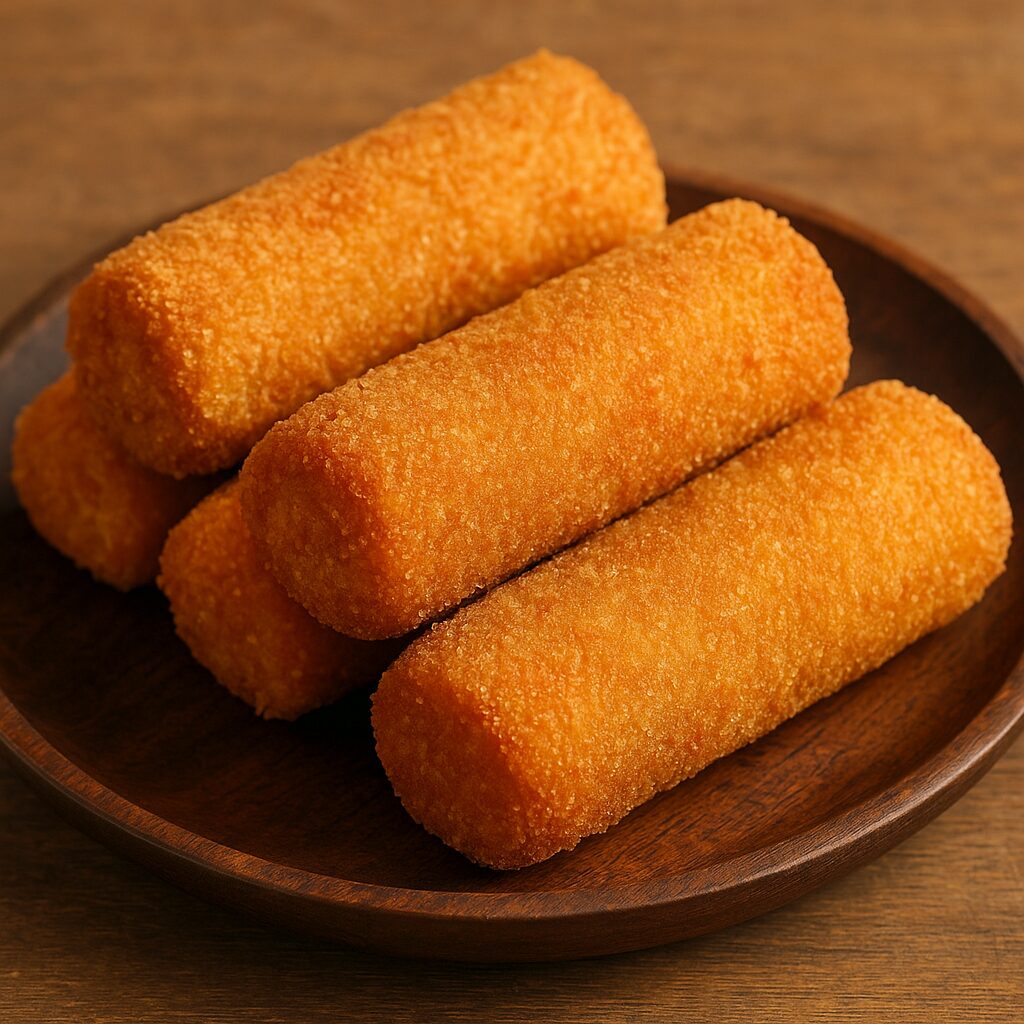
A dish made by wrapping a filling of spiced potatoes, fish, minced meat, and other ingredients in a wheat flour crepe batter and deep-frying it, it is one of the favourite foods of Sri Lanka's Tamil people (think of it as a curry-flavoured potato croquette wrapped in a spring roll).
Additionally, a chickpea flour snack "Wade (Wada)or the triangular 'Patisserie」 or 「samosaThere is a wide selection of light meals, including fish rolls made with the aforementioned roti dough and curry-flavoured bread.
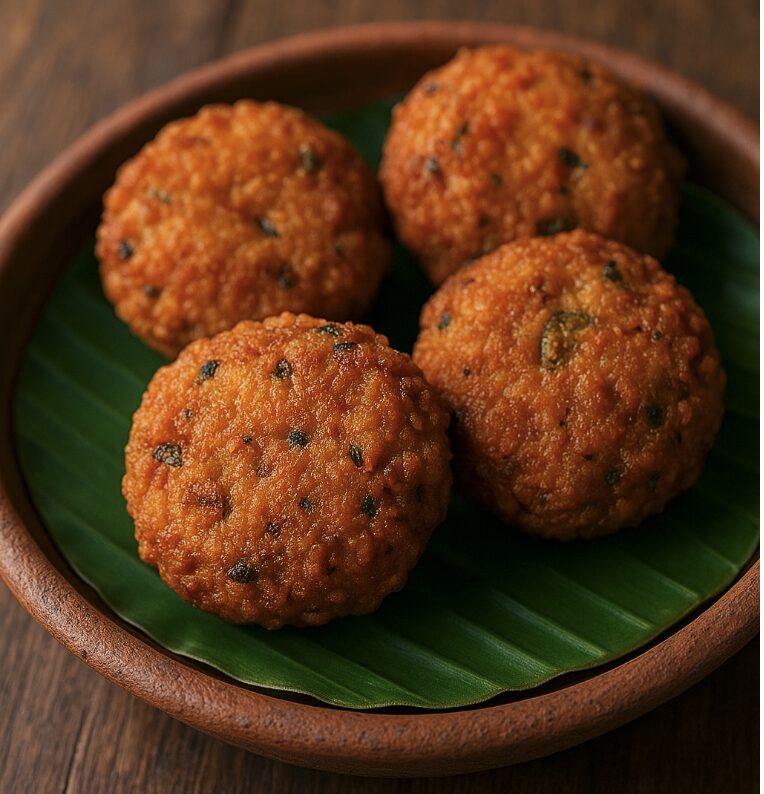
Wade
What I'd really like you to try, apart from the snacks, isSnack-style dishes to accompany beeris.
In the town's cafés and bars,DevilledSpicy side dishes collectively known as 'piri-piri' are frequently ordered.
For example, dishes such as 'Devil'd Chicken' or 'Devil'd Fish' are stir-fried chicken or seafood in a sweet and spicy sauce packed with chilli peppers.
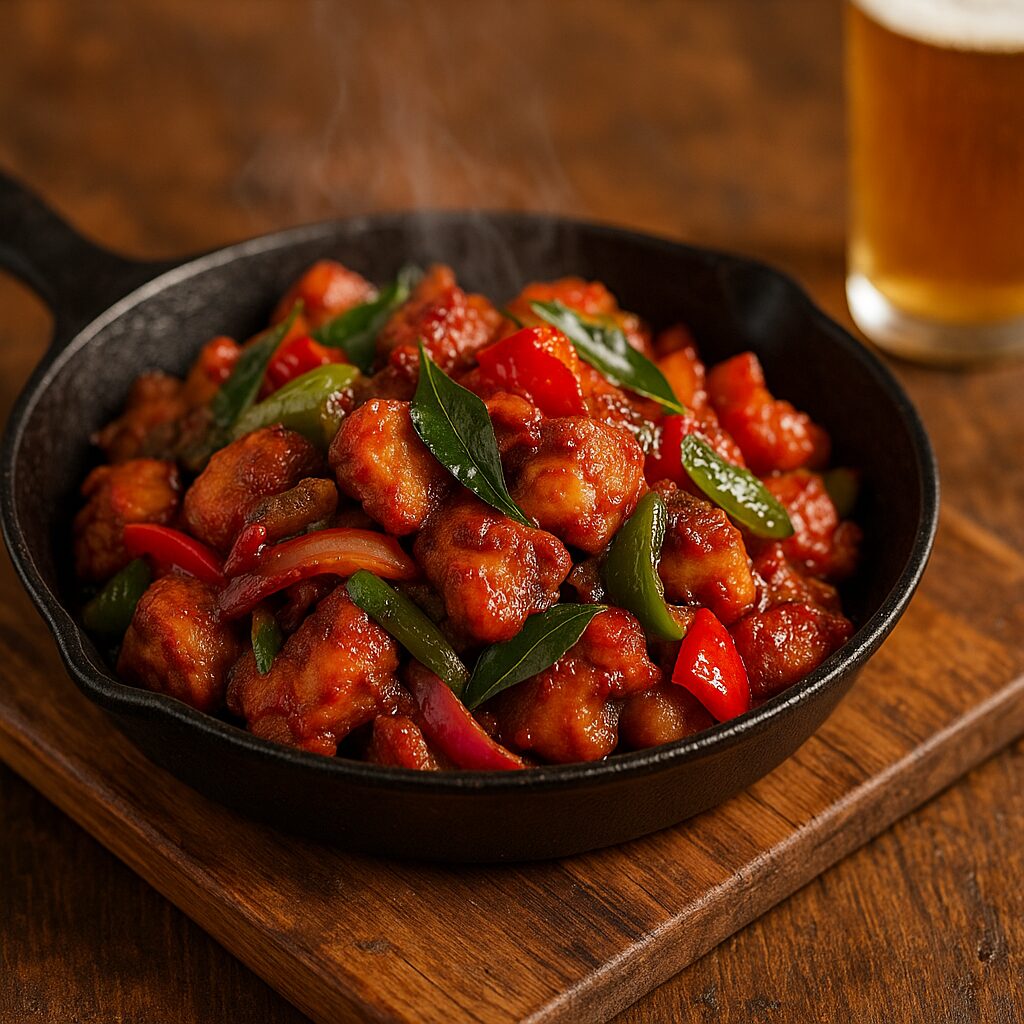
As the name suggestsDevilishly spicyIt's a deliciousness that becomes addictive.
Though bright red in appearance, it boasts a sweet and sour flavour that pairs well with both rice and sake. The stir-fried cashew nut devil's sauce is also popular.
Sinking your teeth into spicy snacks while sipping ice-cold beer is the perfect way to refresh yourself on a hot summer's night. When visiting street stalls or local eateries during your travels, do try Sri Lanka's own style of pairing light bites with drinks.
※ 'Short Eats' is a local expression derived from English, referring to light meals in general.
Sri Lankan Desserts & Beverages
To round off your meal, why not enjoy a sweet dessert unique to the tropical island of Sri Lanka? A classic example is the traditional sweet known as Watalappan.
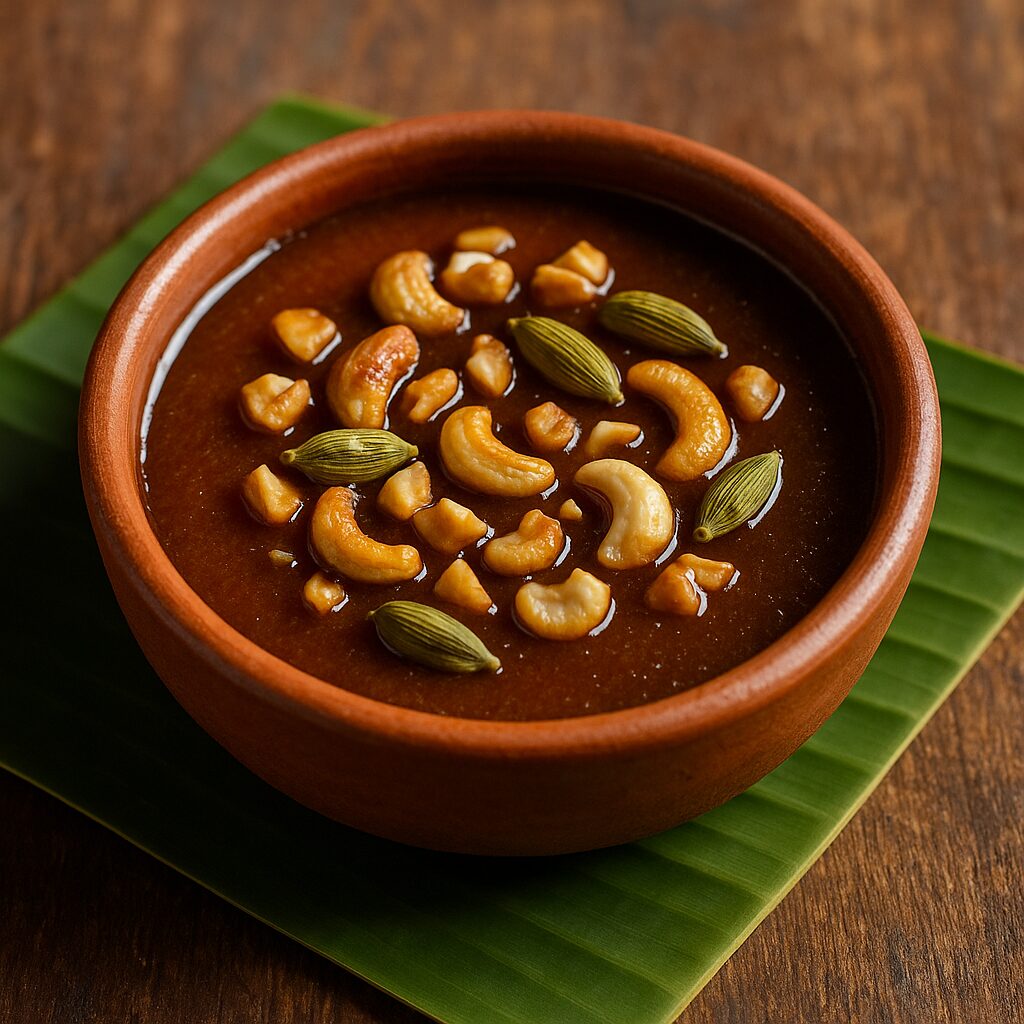
A steamed pudding-like dessert made with brown sugar (palm sugar), coconut milk, nutmeg and eggsIt has a very rich flavour.
At first glance it appears sweet, yet the nutmeg aroma comes through strongly, combining with the richness of coconut to create an elegant flavour.
A simple sweetness spreads through its effervescent mouthfeel, pairing perfectly with black tea.
Another thing I'd like you to try is "Card (Curd)A dessert known as ''.
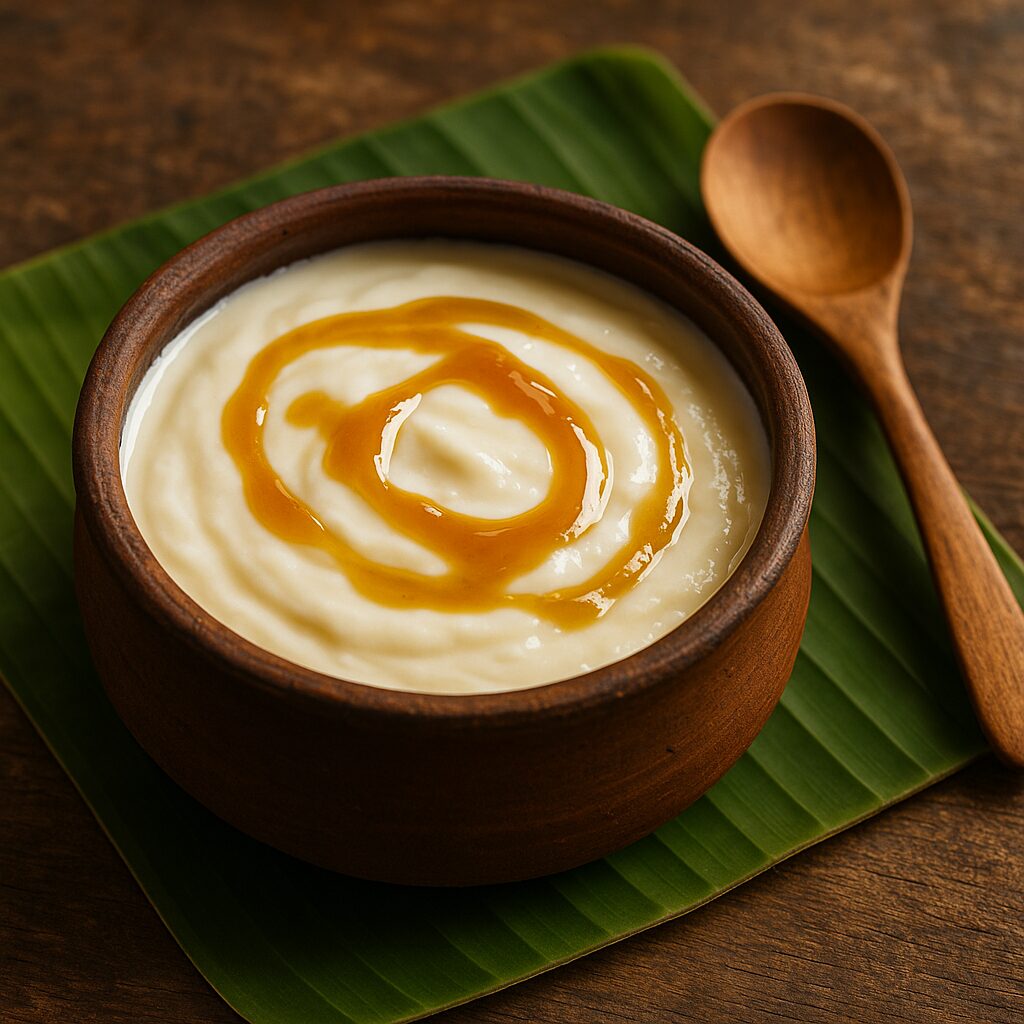
Made from buffalo milk, this yoghurt is rich like cream cheese yet leaves a refreshing aftertaste. Characterised by its pronounced tang, it has a rather plain flavour on its own. The Sri Lankan way is to drizzle over it a thick, dark syrup made by boiling down coconut blossom nectar (kittur honey).
Rich yoghurt intertwines with deep, savoury black treacle syrup, creating an addictively delicious flavour. Packed with calcium and lactic acid bacteria, it's also the perfect dessert to soothe a tongue flushed from spicy food.
In addition, do try the tropical fruits as an alternative to dessert.
Fresh fruit such as mangoes, pineapples, bananas and jackfruit can be obtained cheaply.
Having fruit bought from a street stall cut up on the spot and tucking in after a meal is one of the unique pleasures of travelling. Moreover, Sri Lanka is renowned as one of the world's foremost tea-producing regions.
Ceylon teaThe richly flavoured black tea known as 'Yunnan' is also popular as a souvenir, so why not try the authentic milk tea at cafés or hotels?
Summary
To summarise the key points of this session:
Points
- Sri Lankan cuisine uses coconut milk and an abundance of spices, bearing a resemblance to Indian cuisine whilstMild yet profound flavouris a characteristic.
- Rice & CurryA national dish of Sri Lanka where you can enjoy multiple curries on one plate. It's a style of eating where you mix various curries together, allowing you to consume plenty of vegetables and beans.
- Hopper(bowl-shaped crêpe) orString HopperSteamed rice noodles are a breakfast staple. Try them with egg hoppers and sambol for an authentic local breakfast.
- RotiThin-baked breads are a general term. Among these, gothanba roti (thin, crêpe-like) is popular as a light snack wrapped with fillings, while pol roti (coconut-kneaded bread) is favoured as a snack.
- Cottu RotiThe number one teppanyaki dish at the food stall! Finely chopped roti stir-fried with meat and vegetables,An addictive flavour reminiscent of yakisoba。
- BiryaniA festive rice dish originating from Islamic culture. Savoured on special occasions, its appeal lies in the rich, aromatic flavour where spices and ingredients' umami deeply permeate the grains.
- among other thingsRolls, Cutlet, Wade, SamosaLight snacks (short eats) are also plentiful.Devilled ChickenThere are also spicy and savoury snacks that go well with beer in the evening.
- For dessertWatarappan(Black sugar coconut pudding) and buffalo yoghurtcard+Kithul honey is exquisite. Be sure to savour the tropical fruits and authentic Ceylon tea as well.